
Everything You Need to Know About Dentures
Learn everything about dentures—types, care tips, benefits, and more. Restore your smile and confidence with expert denture services at Parkside Drive Dental in Waterloo, ON!
Waterloo, ON Dentist
Losing some or all of your natural teeth can change how you eat, speak, and feel about your smile. Dentures are one of the long-standing ways to replace missing teeth, and modern materials and techniques have made them more comfortable and natural-looking than many people expect. If you are weighing your options, understanding how dentures work can make the decision easier.
At Parkside Drive Dental, our team has served families in Waterloo, Ontario since 1998. This guide walks through what dentures are, the different types available, what the process involves, and how to care for them so they continue to serve you well for years to come.
What Are Dentures and Who Can Benefit?
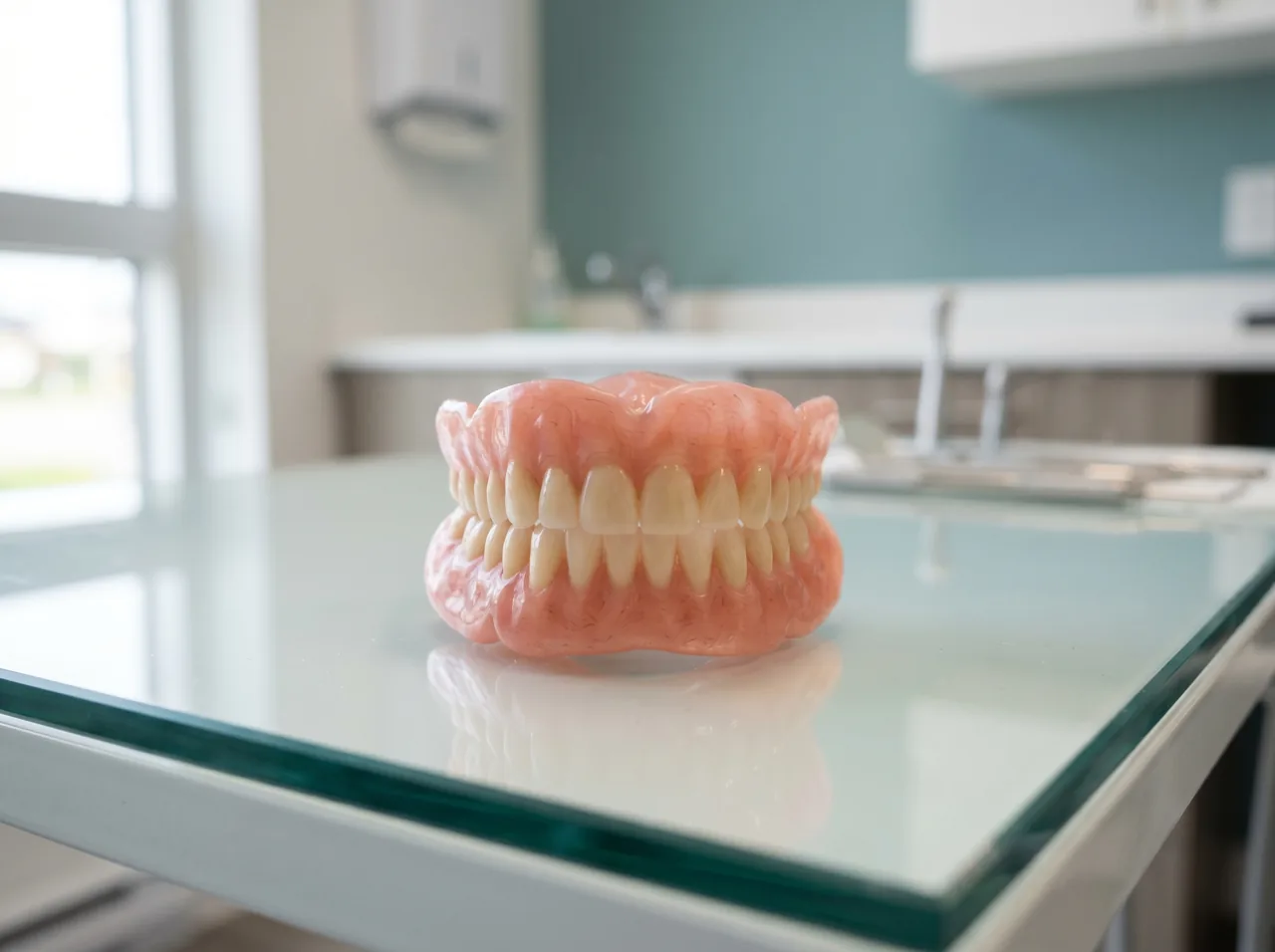
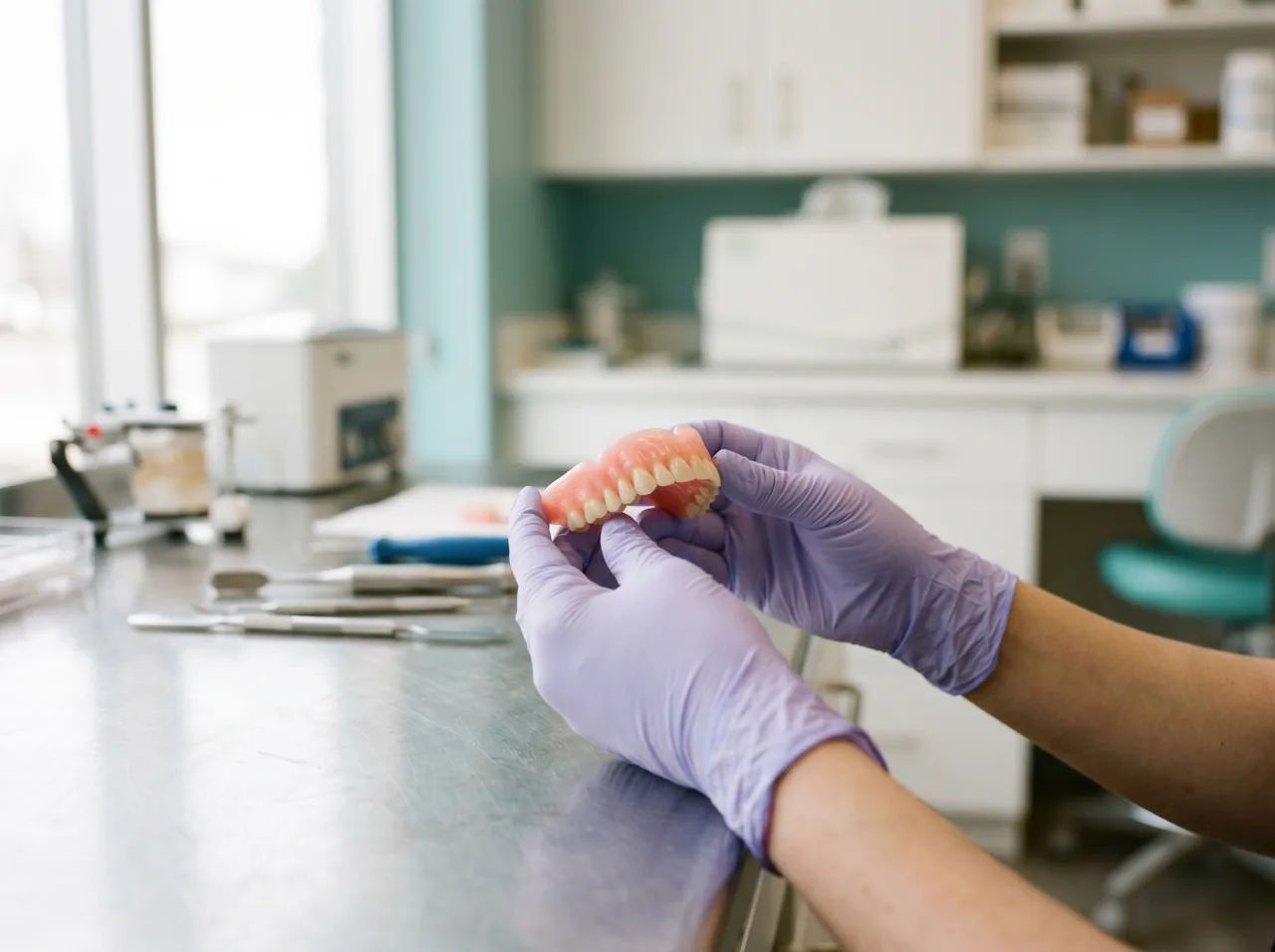
Dentures are removable appliances that replace missing teeth and the surrounding gum tissue. They are custom-made to fit your mouth and are designed to restore the ability to chew and speak while supporting the appearance of your face and smile. When several or all natural teeth are missing, the cheeks and lips can lose support, and dentures help fill out those features again.
People consider dentures for many reasons, including tooth loss from decay, gum disease, or injury. Dentures can suit someone missing a few teeth in one area or someone who has lost most of their teeth. During a consultation, a dentist reviews your oral health and goals to help determine whether dentures, or another tooth-replacement option, fit your situation.
Types of Dentures
There is no single style of denture that works for everyone. The right choice depends on how many teeth are missing, the condition of your remaining teeth and gums, and your day-to-day needs. The main types fall into a few categories.
- Complete (full) dentures replace all of the teeth in the upper jaw, the lower jaw, or both. They rest on the gums and are typically held in place by natural suction and the shape of your mouth.
- Partial dentures replace one or more missing teeth when some healthy natural teeth remain. They often use clasps or precision attachments that connect to the existing teeth to stay secure.
- Implant-supported or implant-retained dentures connect to dental implants placed in the jawbone. This added anchoring can improve stability and reduce movement compared with dentures that rest only on the gums.
Dentures can also be described as conventional or immediate. Conventional dentures are placed after the gums have healed following any extractions, while immediate dentures are inserted on the same day teeth are removed so you are not without teeth during healing. Each approach has practical trade-offs that your dentist can explain based on your needs.
The Process of Getting Dentures
Getting dentures usually takes place over several appointments rather than a single visit. The steps are designed to create an appliance that fits comfortably and works well for your mouth.
- Consultation: Your dentist examines your teeth, gums, and jaw, discusses your goals, and recommends a denture type. Any necessary extractions or treatment are planned at this stage.
- Impressions and measurements: Detailed impressions and bite records capture the shape of your mouth so the denture can be built to fit accurately.
- Try-in and fitting: A trial denture allows you and your dentist to check the fit, bite, colour, and appearance before the final version is completed.
- Adjustments: After you receive your dentures, follow-up visits fine-tune the fit and address any sore spots as your mouth settles.
It is normal to need a few adjustment appointments in the early weeks. Small refinements help the denture sit comfortably and function the way it should.
Adjusting to New Dentures
Wearing dentures for the first time takes some getting used to. In the beginning, they may feel bulky or loose, and you might notice more saliva than usual. These sensations typically ease as the muscles of your cheeks and tongue learn to hold the denture in place.
Eating and speaking improve with practice. Start with soft foods cut into small pieces, and chew slowly using both sides of your mouth to keep the denture balanced. Reading aloud at home can help you adjust to speaking, since certain sounds may feel different at first. Many people find that the first few weeks bring steady improvement, though everyone adapts at their own pace.
- Begin with soft foods and gradually reintroduce firmer items.
- Chew evenly on both sides to keep dentures stable.
- Practise speaking by reading aloud or repeating difficult words.
- Contact your dental office if a sore spot does not settle, rather than adjusting the denture yourself.
Daily Care and Cleaning
Dentures need regular cleaning to stay fresh, function well, and support the health of your gums and any remaining teeth. Plaque and food can build up on dentures just as they do on natural teeth, so a daily routine matters.
- Rinse dentures after eating to remove loose food particles.
- Brush them daily with a soft denture brush and a non-abrasive cleaner, not regular toothpaste, which can be too rough.
- Handle dentures over a folded towel or a basin of water so they are protected if dropped.
- Soak removable dentures overnight in water or a denture solution to keep them from drying out.
- Clean your gums, tongue, and any natural teeth each day to support overall oral health.
Regular dental visits remain important even if you no longer have any natural teeth. Your dentist can check the fit of your dentures, examine your gums and other oral tissues, and make adjustments as your mouth changes over time.
How Long Dentures Last and When to Reline or Replace
Dentures are durable but not permanent. Over time, the materials wear and the shape of your gums and jawbone changes, which can affect how well the denture fits. Many dentures serve well for several years, though the exact lifespan varies from person to person.
A reline involves resurfacing the part of the denture that contacts your gums to restore a snug fit, while a full replacement creates a new appliance when the existing one is worn or no longer fits properly. Signs it may be time for attention include looseness, sore spots, difficulty chewing, visible wear, or changes in your bite. Routine check-ups help your dentist catch these changes early.
Dentures Compared With Other Tooth-Replacement Options
Dentures are one of several ways to replace missing teeth. Dental bridges fill a gap by anchoring replacement teeth to adjacent natural teeth, and dental implants replace tooth roots with posts in the jawbone that support crowns or other restorations. Each option has its own considerations around cost, the condition of your remaining teeth and bone, maintenance, and how the replacement feels and functions.
There is no single option that is right for everyone. The most suitable choice depends on your oral health, your preferences, and your long-term goals. A consultation is the clearest way to compare the options and understand what each would involve for you.
Book a Consultation in Waterloo
If you are missing teeth or considering whether dentures might be a good fit, the team at Parkside Drive Dental is here to help. Dr. Jacqueline Whiteside, Dr. Cathy Bekhyt, and our staff have cared for Waterloo families since 1998 and can walk you through your options at a pace that works for you.
To learn more or arrange a visit, call our Waterloo office at (519) 885-0810 or request an appointment online at /appointment-request/. We look forward to helping you find a comfortable, lasting solution.
Waterloo, ON Dentist FAQs
Are dentures uncomfortable to wear?
New dentures often feel unusual at first and may cause minor soreness as your mouth adjusts. This typically eases within a few weeks, and follow-up adjustment visits help improve comfort and fit.
How long does it take to get used to dentures?
Many people adapt to eating and speaking over a few weeks, though the timeline varies. Starting with soft foods, chewing evenly, and practising speech all help you adjust more smoothly.
Can I sleep with my dentures in?
Dentists often recommend removing dentures overnight to give your gums a rest and to soak the dentures so they stay moist. Your dentist can advise what is appropriate for your situation, especially with implant-supported dentures.
How often should dentures be relined or replaced?
This depends on wear and changes in your gums and jaw over time. Your dentist checks the fit at regular visits and will let you know when a reline or replacement may be helpful.
Do I still need dental check-ups if I wear full dentures?
Yes. Regular visits allow your dentist to check the fit of your dentures and examine your gums, tongue, and other oral tissues, which supports your overall health.
Can I eat normally with dentures?
Most people return to a varied diet over time. It helps to reintroduce firmer foods gradually and to chew on both sides of the mouth to keep the denture stable.
Our professional associations
Parkside Drive Dental is a member in good standing with the dental community's leading regulatory and education bodies.




Book Your Visit at Parkside Drive Dental
- Address: 550 Parkside Drive, Unit A5, Waterloo, ON N2L 5V4
- Phone: (519) 885-0810
- Email: [email protected]
Ready to book with Parkside Drive Dental?
New patients are always welcome at our Unit A5 clinic. Call (519) 885-0810 or request an appointment online.
Book an Appointment