
Wisdom Tooth Removal in Waterloo, ON: a Student’s Guide to Fast, Comfortable Extractions
Get safe and comfortable wisdom tooth removal in Waterloo, ON. Learn what to expect, recovery tips, and options for students seeking reliable dental care.
Waterloo, ON Dentist
Between lectures, labs, part-time work, and a packed social calendar, wisdom teeth are rarely high on a student's list of concerns. Yet for many people in their late teens and early twenties, these final molars start to cause trouble at exactly the busiest time of life. If you are studying at Wilfrid Laurier or the University of Waterloo and have noticed aching at the back of your mouth, you are not alone.
At Parkside Drive Dental, our team has cared for Waterloo families since 1998. This guide explains what wisdom teeth are, why they sometimes need to come out, what a removal involves, and how to plan recovery around a student schedule so you can get back to your routine with as little disruption as possible.
What Are Wisdom Teeth and Why Do They Cause Problems?
Wisdom teeth are the third and final set of molars, usually appearing between the ages of 17 and 25. Most people have four, one in each back corner of the mouth, though some have fewer or none at all. When the jaw has enough room and the teeth come in straight, they can be perfectly healthy and may not need any treatment.
Problems arise when there is not enough space for them to erupt properly. This can lead to impaction, where a tooth stays partly or fully trapped beneath the gum or bone. Crowded or angled wisdom teeth may push against neighbouring molars, and a tooth that only partially breaks through the gum can create a flap of tissue that traps food and bacteria. These situations can lead to infection, decay, or damage to the teeth nearby, which is often why removal is recommended.
Signs You May Need Your Wisdom Teeth Removed
Wisdom teeth do not always announce themselves clearly. Some cause steady discomfort, while others stay quiet until a problem is well underway, which is one reason regular dental check-ups matter. Between visits, there are common signs worth paying attention to.
- Aching, pressure, or tenderness at the very back of the jaw
- Red, swollen, or bleeding gums around an emerging molar
- A bad taste, persistent bad breath, or difficulty fully opening your mouth
- Food repeatedly getting trapped behind your last molars
- Headaches or jaw stiffness that seem to centre on the back of the mouth
Noticing one of these signs does not automatically mean removal is needed. It does mean a dental visit is a good idea, so the cause can be identified before it becomes more serious or more painful.
How a Dentist Evaluates Your Wisdom Teeth
Deciding whether a wisdom tooth should be removed starts with a thorough assessment, not a quick glance. During an exam, your dentist looks at how your wisdom teeth are positioned, whether they have erupted, and how they relate to the surrounding teeth and gums. You will also have a chance to describe any symptoms you have been experiencing.
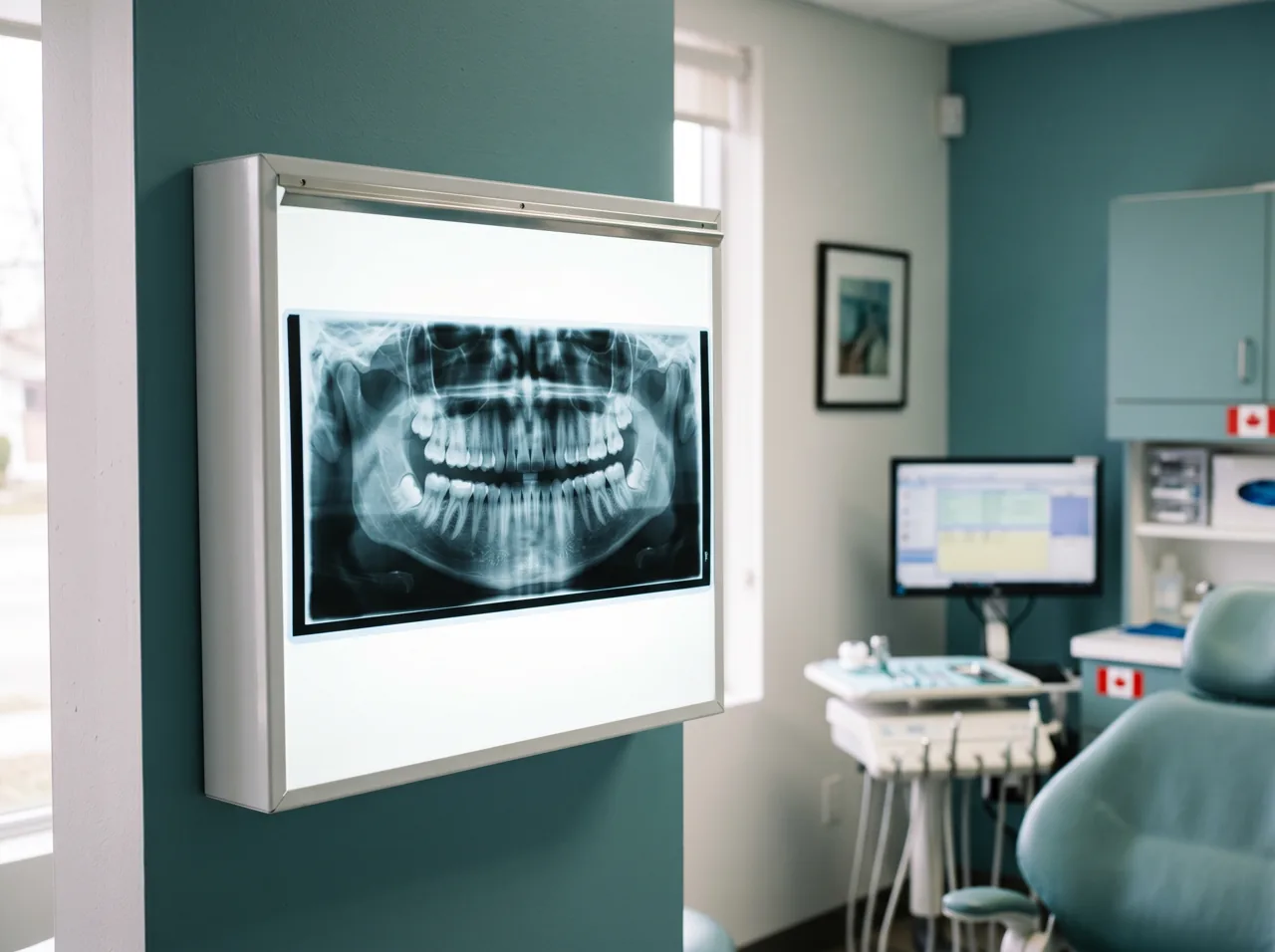
Imaging is an important part of the picture. A dental X-ray, and in some cases a panoramic image, shows the full shape and angle of each tooth, including portions still below the gumline, and reveals how close the roots sit to nerves and sinuses. This information helps your dentist explain your options clearly and plan a removal that suits your specific situation, or recommend monitoring if removal is not necessary right now.
What to Expect During the Procedure
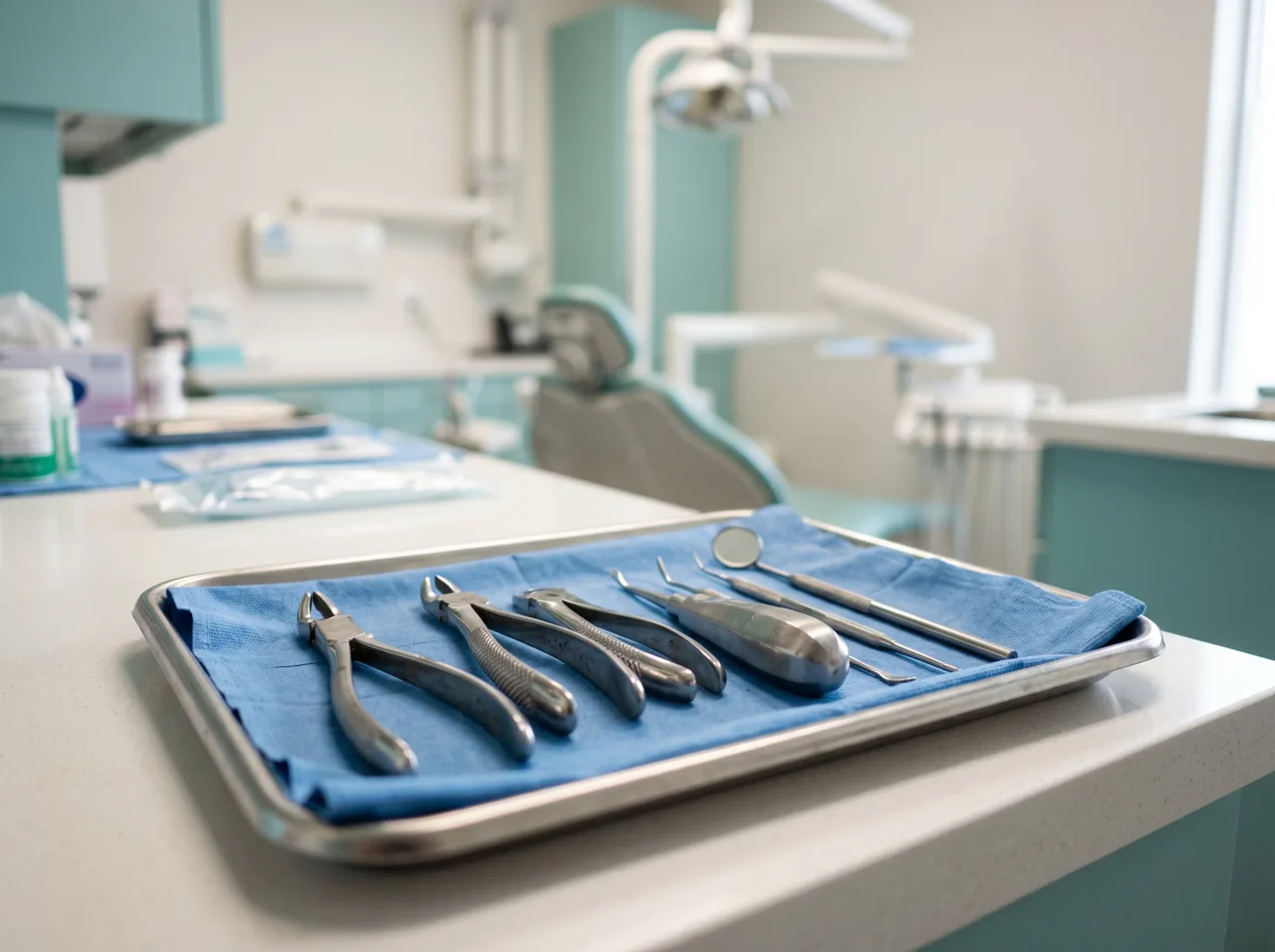
Wisdom tooth removal is a routine procedure, and the approach is tailored to how each tooth is positioned. A tooth that has erupted fully can often be removed in a straightforward way, while an impacted tooth may require a small incision in the gum to access it. Your dentist will walk you through what is involved for your teeth before anything begins.
Comfort is a central part of the process. Local anaesthetic is used to numb the area so the procedure itself is not painful, and various sedation options may be available to help you feel relaxed and at ease. Our team will discuss which approach fits your needs and answer your questions beforehand. The goal throughout is to keep you comfortable and informed at every step, and to make sure you understand the aftercare instructions before you head home.
Recovery Timeline and Aftercare
Recovery from wisdom tooth removal varies from person to person, but many people find the first two to three days involve the most swelling and tenderness, with steady improvement over the following week. Following your aftercare instructions closely makes a meaningful difference to how smoothly things go.
- Rest for the first 24 hours and keep your head slightly elevated
- Use a cold compress against your cheek to help manage swelling early on
- Stick to soft, cool foods such as yogurt, smoothies, applesauce, and lukewarm soup
- Avoid straws, smoking, and vigorous rinsing, which can dislodge the protective blood clot
- Take any prescribed or recommended medication as directed and keep the area clean
That blood clot matters because it protects the healing socket. If it comes loose, a condition known as dry socket can develop, bringing noticeable pain a few days after the procedure. Avoiding suction from straws, refraining from smoking, and being gentle when rinsing all help lower that risk. As you start to feel better, you can gradually return to firmer foods and your normal oral hygiene routine, taking care around the healing sites.
Planning Around Exams and a Busy Student Schedule
Timing is everything when you are juggling assignments and deadlines. Because the first few days of recovery are the most demanding, it helps to schedule a removal when you have a lighter stretch ahead rather than right before a major exam or presentation. Reading week, the gap between terms, or the start of a holiday break can all be practical windows.
A little preparation goes a long way. Stocking up on soft foods before your appointment, arranging a quiet place to rest, and letting a roommate or friend know you may need a hand for a day or two can make recovery far less stressful. If you have lab work, shifts, or group commitments, building in a couple of buffer days afterward gives your body time to heal without the added pressure of rushing back too soon.
When to Seek Urgent Care
Most recoveries progress without complications, but it is important to know which signs call for prompt attention. Contact your dental office if you experience heavy or ongoing bleeding, severe pain that worsens rather than eases after a few days, a fever, increasing swelling, or any sign of spreading infection. These are not symptoms to wait out, and reaching out early allows us to help you sooner.
Keep your dentist's contact information handy during the first week of recovery so you can ask questions if anything feels off. It is always better to check than to wonder, and our team would rather hear from you than have you worry on your own.
Book a Consultation in Waterloo
If your wisdom teeth are causing discomfort, or you simply want to know where you stand, a consultation is the clearest place to start. Dr. Jacqueline Whiteside, Dr. Cathy Bekhyt, and our team at Parkside Drive Dental have served Waterloo students and families since 1998, and we can assess your situation and talk through your options at a pace that suits you.
To arrange a visit, call our Waterloo office at (519) 885-0810 or request an appointment online at /appointment-request/. We are happy to answer your questions and help you plan a removal around your studies.
Waterloo, ON Dentist FAQs
Do all wisdom teeth need to be removed?
No. Wisdom teeth that come in straight, have enough room, and stay healthy can often be left in place. Removal is usually considered when teeth are impacted, crowding other teeth, or causing infection, decay, or pain. An exam and imaging help your dentist decide what is right for you.
Is wisdom tooth removal painful?
Local anaesthetic is used to numb the area so you should not feel pain during the procedure, and sedation options may help you feel relaxed. Some tenderness and swelling afterward are normal as you heal, and your dentist will go over how to manage them comfortably at home.
How long does recovery take?
Many people find the first two to three days involve the most swelling, with steady improvement over the following week. Recovery varies, so it helps to plan a few quieter days afterward, especially around a busy term.
What is dry socket and how can I avoid it?
Dry socket happens when the blood clot protecting the healing socket is dislodged, which can cause pain a few days after removal. Avoiding straws, smoking, and vigorous rinsing during early healing helps lower the risk. Contact your dental office if you develop worsening pain.
What can I eat after having my wisdom teeth out?
Stick to soft, cool foods at first, such as yogurt, smoothies, applesauce, and lukewarm soup, and avoid using straws. As healing progresses over the following days, you can gradually reintroduce firmer foods.
When is the best time for a student to schedule the procedure?
Because the first few days are the most demanding, many students prefer a lighter stretch such as reading week or a break between terms. Planning a couple of buffer days before classes, shifts, or exams helps you recover without added pressure.
Our professional associations
Parkside Drive Dental is a member in good standing with the dental community's leading regulatory and education bodies.




Book Your Visit at Parkside Drive Dental
- Address: 550 Parkside Drive, Unit A5, Waterloo, ON N2L 5V4
- Phone: (519) 885-0810
- Email: [email protected]
Ready to book with Parkside Drive Dental?
New patients are always welcome at our Unit A5 clinic. Call (519) 885-0810 or request an appointment online.
Book an Appointment